The glass you don't see — how Warsaw Zoo improved the quality of its amphibian exhibits
A standard pane in a display case reflects around 8% of incoming light — instead of the animal, visitors see their own reflection. The modernisation of the herpetarium at Warsaw Zoo shows how laminated anti-reflective glass brings this effect down below 2%.
An exhibition display case in a zoo serves two conflicting functions at once: it must be invisible to the visitor and impassable to the animal. The first of these requirements is harder to meet than it might seem. Standard float glass reflects a few per cent of incoming light from each surface — around 8% in total on a single pane. In rooms with controlled lighting, where the brightness of the display interior contrasts with the visitor space, the effect is pronounced: instead of the animal, visitors see the reflection of their own face, a ceiling light or a window on the other side of the room. So how do you design glazing that truly disappears?
Why glass matters in zoos
Zoo exhibition design has undergone a significant change over recent decades. Traditional bars and mesh are giving way to large glazed surfaces that let visitors observe animals up close without a physical barrier changing the nature of the contact. Transparent partitions also make it possible to create spaces closer to natural habitats — free of elements that visitors associate with confinement.
In such exhibits, the quality of the glass translates directly into the quality of observation. This is especially true of species displayed in terrariums and aquaterrariums — amphibians, reptiles, insects — where the animals are often small, motionless and require focused attention. Every reflection on the surface of the glass draws the eye away and makes it harder to notice detail: colouring, skin texture, behaviour. For species that react to their own reflection — including some reptiles and birds — the mirror effect can also affect their behaviour and stress levels, which matters from an animal welfare perspective.
Standard float glass has another property that complicates exhibition design: a characteristic greenish tint resulting from the iron oxide content in its chemical composition. In thin panes it is almost imperceptible, but at the thicknesses used in larger tanks and display cases it becomes visible — and changes how visitors perceive the animals' colours.
How anti-reflective glass works
The solution to both problems — reflections and colour distortion — is glass that combines an anti-reflective coating with an extra-clear substrate. Pilkington OptiView™ Ultra Protect is a laminated glass with anti-reflective coatings applied to both outer surfaces of the pane. This solution reduces total visible light reflection to below 2%, compared with around 8% for standard float glass. The difference is noticeable to the naked eye: the pane stops being visible as an object, and attention shifts to what is behind it.
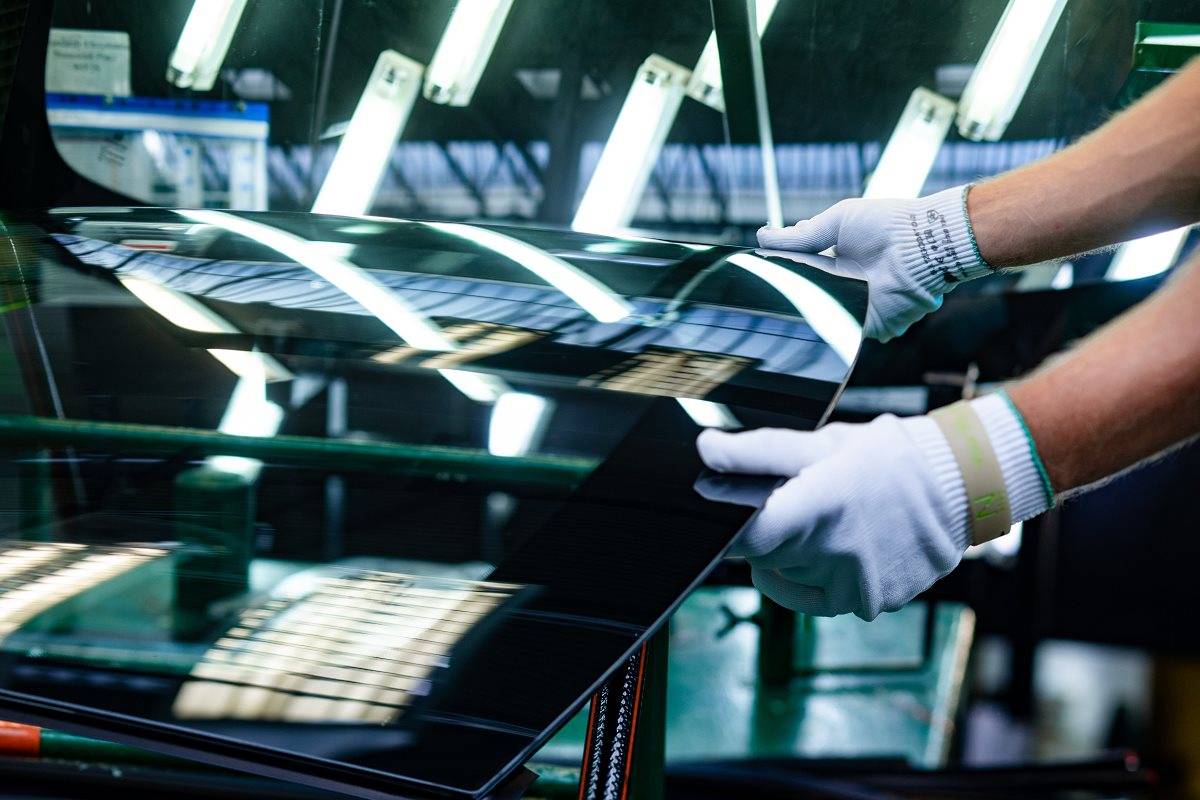
The product combines an anti-reflective coating with ultra-clear Pilkington Optiwhite™ glass, which has a reduced iron oxide content. This eliminates the greenish tint typical of standard float glass, which at greater pane thicknesses can distort the perception of the exhibited animals' colours. The result is high light transmission and true colour reproduction — the colours of fish, amphibians, reptiles or plants in a terrarium remain natural, without darkening or tonal shift.
The Protect version is a laminated glass — if it does break, it does not shatter into sharp fragments, which matters both in areas accessible to visitors and in the immediate vicinity of the animals. It is a solution designed for applications where optics, safety and operational durability all matter at once.
'Anti-reflective glass in zoo exhibits isn't a matter of aesthetics but of functionality. The point is for visitors to see the animal, not their own reflection. With the right glass, the pane stops being an element the eye has to ‘get past’,' adds Ewelina Wójcicka, marketing communications manager.
Modernisation of the herpetarium at Warsaw Zoo
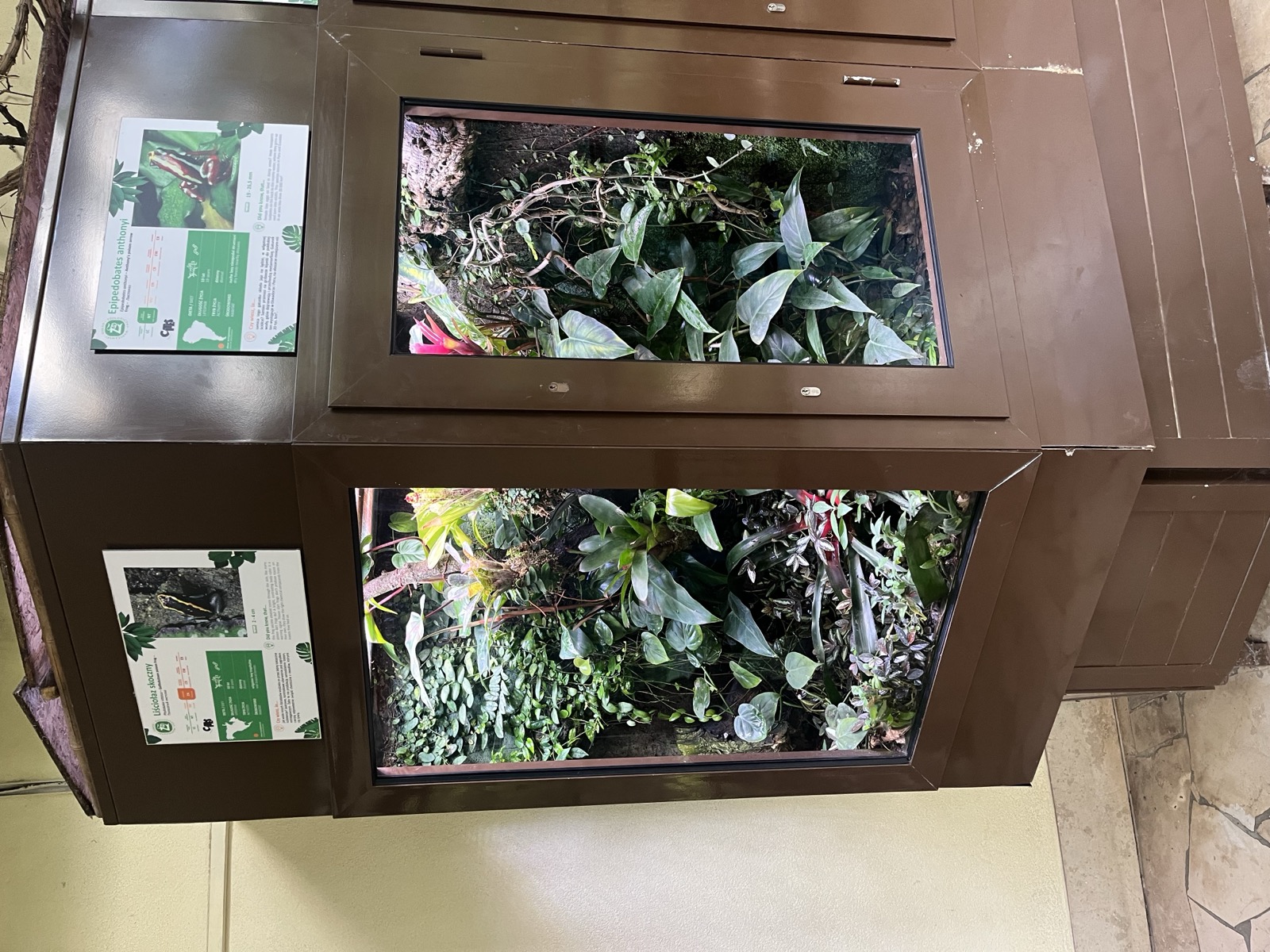
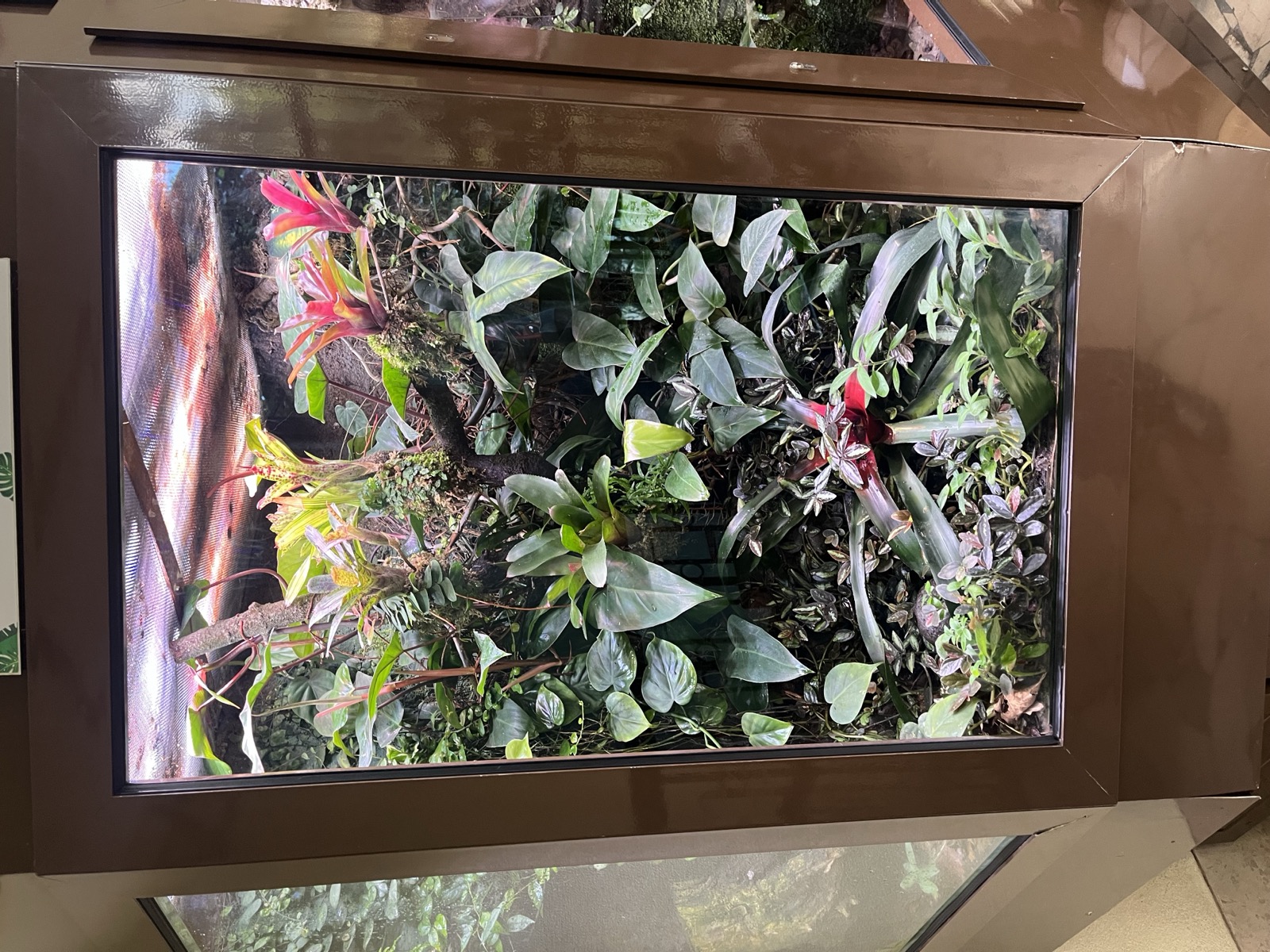
A practical example of this technology in use is the modernisation of the display windows in the Herpetarium at Warsaw Zoo. The project replaced the glazing in 11 display cases designed for amphibians — 6 single panes and 5 insulated glass units were installed, made from laminated anti-reflective Pilkington OptiView™ Ultra Protect 8.8 glass.
The aim of the modernisation was to improve the quality of animal observation for visitors. The previous glazing generated reflections that made it hard to focus on the animals. The new panes reduce this effect to a minimum, allowing the amphibians to be observed without optical interference. All the panes used in the project were manufactured by Pilkington IGP Sp. z o.o. in Skierniewice.
A herpetarium is one of the more demanding contexts for exhibition glazing. Amphibians are animals whose observation requires concentration — many species are small, live secretively and display their colouring only under specific conditions. The quality of the glass determines whether visitors spot the animal at all, or end up focusing on reflections of their surroundings.
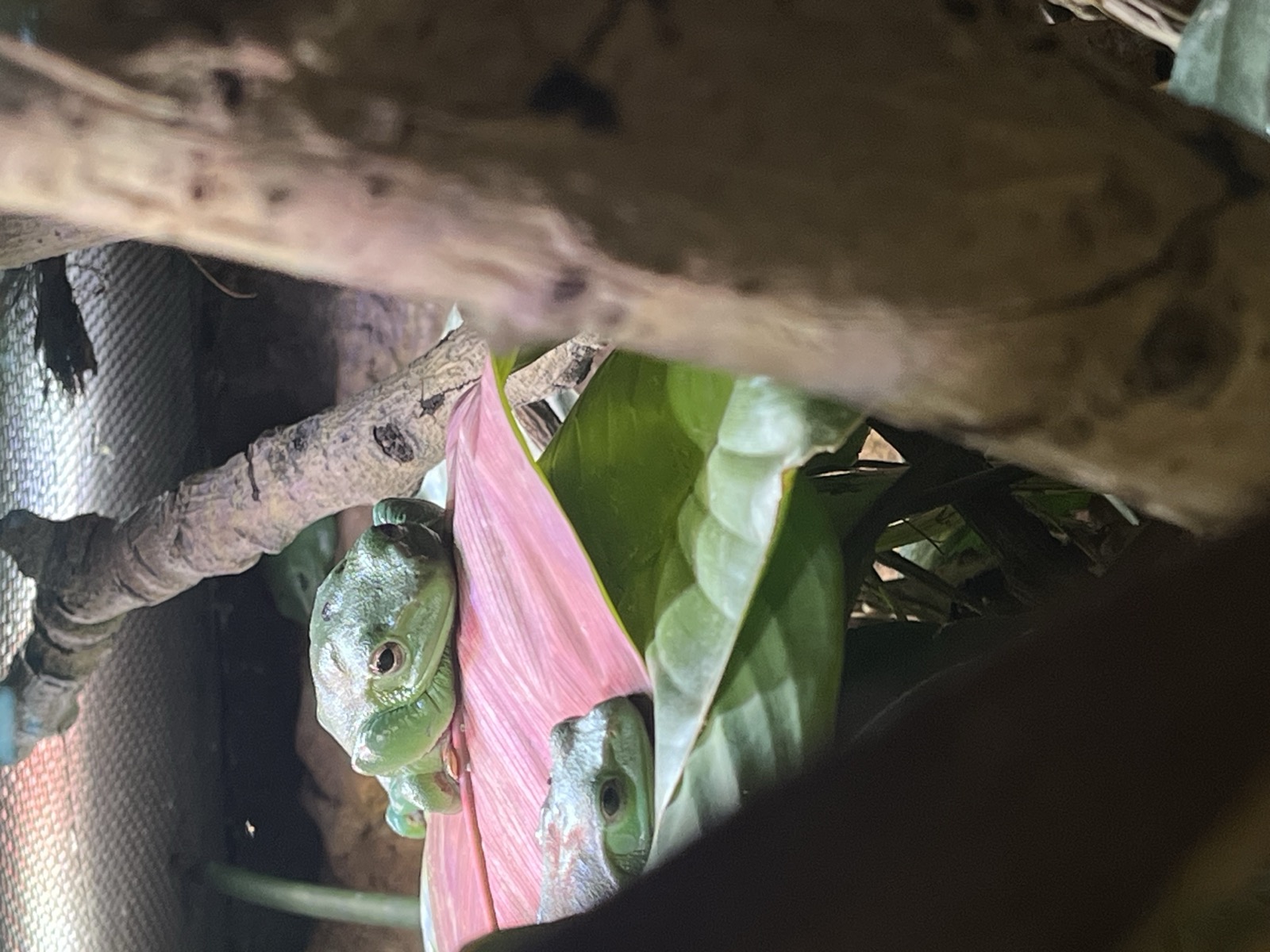
'For visitors, the difference is immediate. Glass that doesn't reflect makes the exhibit legible — you can see the animal, its colours, its behaviour. It shapes the whole visiting experience, especially with species that aren't spectacularly large or active,' says Ewelina Wójcicka, marketing communications manager.
Wider applications in zoological facilities
Applications of anti-reflective glass in zoos extend beyond terrariums and aquaterrariums. Entomology display cases, exhibits for small mammals and birds, and large pavilion glazing have similar requirements, where the reflection problem arises under changing outdoor lighting conditions. In each of these cases the mechanism is the same: reducing reflection increases transparency, and transparency improves the quality of contact between visitor and animal.
Anti-reflective glass also proves itself in aquarium exhibits, where the pane thickness required to withstand water pressure could intensify the greenish tint and dull the colours of the underwater environment. Combining an anti-reflective coating with an extra-clear substrate keeps colours natural even at considerable glass thicknesses.
Requirements around animal welfare are also becoming more important. Reducing the mirror effect in display cases and enclosures lowers the risk of undesirable behavioural reactions in species sensitive to their own reflection. This is an aspect increasingly taken into account by designers of modern zoo exhibits — not only as a matter of visitor comfort, but as part of the responsible design of an animal's environment.
Modern anti-reflective glass shows that a material associated primarily with architecture and construction can have precise applications in entirely different contexts. Correctly chosen glazing in a zoo is not a neutral element — it determines whether the exhibit achieves its purpose: enabling the observation of animals in a way that is valuable for the visitor and safe for the animal itself.
Article based on a press release from NSG Group / Pilkington (PR-26-06-26), which Method Group holds publication rights to. Quotes: Ewelina Wójcicka, Pilkington IGP. Photos: NSG Group press materials.