The Imperial Shipyard changes hands — Develia plans 3,000 homes in central Gdańsk
It is one of the largest land acquisitions on the Polish residential market in recent years. Develia is reaching for a symbolic, post-industrial site in the heart of Gdańsk — taking on not only its scale, but also the weight of the place.
Develia has signed a preliminary agreement to acquire the former Imperial Shipyard site in Gdańsk. The listed developer is taking over 100% of shares in Stocznia Cesarska Development — the perpetual usufructuary of the property — from the Belgian consortium Gdansk Development Holding N.V., formed by Alides and Revive. The deal is worth around PLN 550m, with a PLN 55m deposit. For Develia, it is one of the largest single land acquisitions in the company's history and another strong move in building its land bank.
A place that weighs more than the land itself
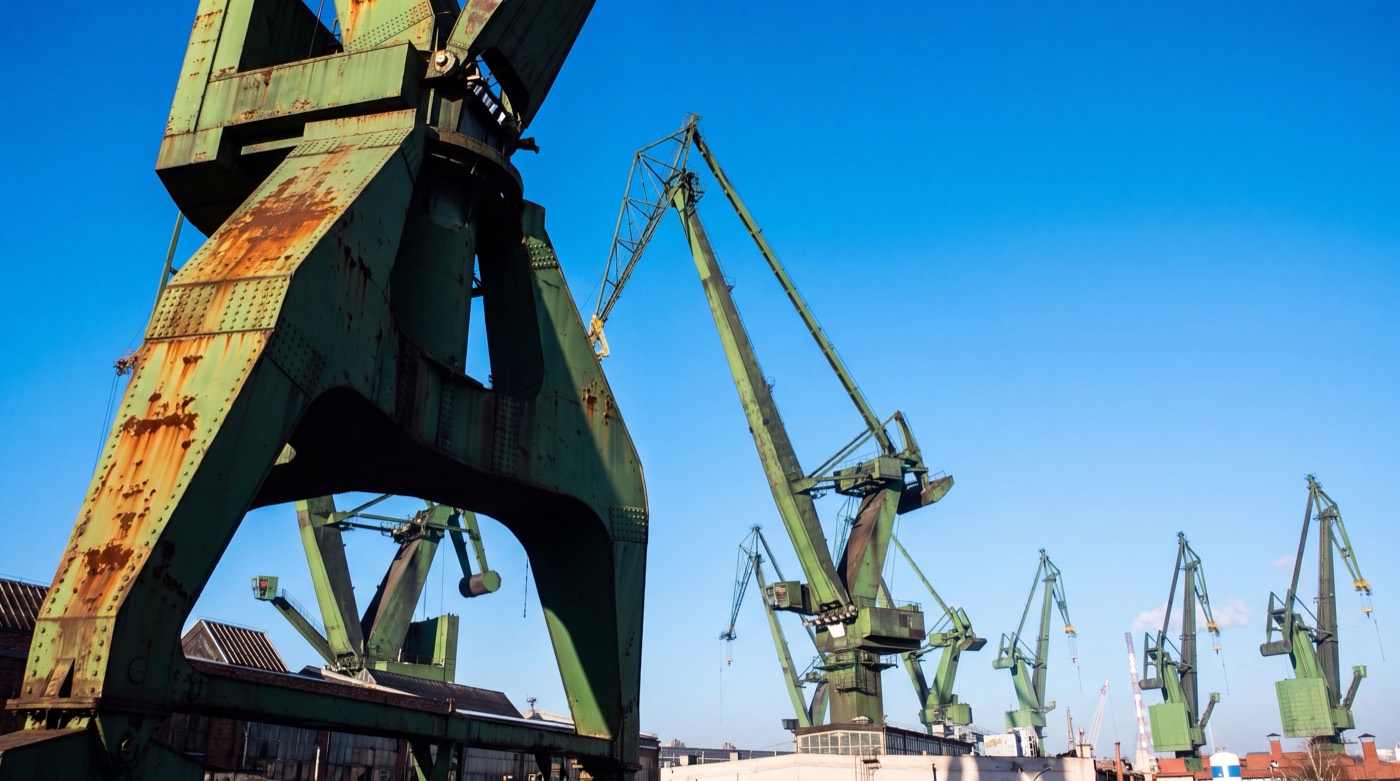
The Imperial Shipyard is no ordinary development plot. It is part of the former Gdańsk Shipyard, part of the Młode Miasto district that has been under development for years — an area carrying symbolic weight for both Gdańsk and Poland. The site includes 19th-century post-industrial halls and buildings listed in the heritage register since 2016. By buying such land, a developer does not get a blank slate, but existing fabric, history and expectations — which changes the character of the whole project: it is closer to building a piece of the city than to putting up an estate.
The Belgian consortium bought the site in 2017 from Swiss-Danish funds and spent nearly a decade regenerating it — among other things, restoring the Directorate building and the former Fire Station, and starting the first residential development. Develia is therefore entering ground that is already partly 'warmed up', both in planning and formal terms, with documentation and permits in place.
Scale: a district, not an estate
The plans envisage a multi-phase residential and mixed-use scheme covering around 220,000 sq m earmarked for residential and commercial use — ultimately more than 3,000 units. For the first phase, a final building permit has already been issued for 388 residential units and 31 service units. Construction could start in 2027. This is a project measured not in months but in years and successive phases — with all the complexity of running such a long investment in one highly exposed location.
Conditions, heritage protection and pre-emptive rights
The transaction has not yet been finalised. The agreement is preliminary, with completion expected by 20 December 2026 and subject to conditions precedent. The key ones are consent from the minister responsible for maritime economy and the State Treasury waiving its pre-emptive right to the shares. The already-regenerated Directorate and Fire Station buildings have also been excluded from the scope of the deal. This shows that on sites of such significance, a developer operates not only within market logic, but also within a dense web of approvals, heritage protection and public interest.
Why it matters
For the market, it is a signal that the biggest players are returning to large, difficult sites in city centres — where success depends not on flat sales alone, but on the ability to manage a multi-year process amid heritage buildings, authorities and the local community. For Develia, it is a land injection that will fuel sales for years to come.
For us at Method Press, this is a textbook example of a project that will generate an avalanche of materials, phases and statuses over a decade — successive stages, permits, visualisations, communications to residents and the city. The longer and more sensitive the project, the bigger the gap between a consistently managed narrative and a chaos of diverging versions. And a story about a place with this kind of history sells itself — provided it is told consistently.
This Method Press editorial piece was prepared based on public press reports: Parkiet (3 April 2026), Trójmiasto.pl, PropertyDesign, Money.pl and Urbanity.pl, as well as statements from Develia S.A. The agreement is preliminary — parameters and timeline may change. Figures are based on press reports and company statements.